
A Nairobi e-commerce business just spent KES 50,000 on TikTok ads because “everyone says TikTok is the future.” They got millions of impressions, thousands of video views, and exactly three sales.
Meanwhile, their competitor spent the same budget on Facebook ads, generated 47 qualified leads, closed 12 customers, and made KES 240,000 in revenue.
Same budget. Completely different outcomes. The difference wasn’t luck or creative quality. It was choosing the right platform for their specific business goals and target audience.
As TikTok’s advertising platform matures in Kenya, businesses face a critical question: where should advertising budgets go? Facebook’s Meta ecosystem (Facebook and Instagram) offers proven performance and sophisticated tools. TikTok promises massive organic reach and access to younger audiences.
Neither platform is universally “better.” The right choice depends entirely on what you’re selling, who you’re targeting, and what outcomes you need.
This guide breaks down exactly how Facebook Ads and TikTok Ads perform in Kenya’s market, the key differences that determine which platform works better for your business, which platform fits different business types and goals, when using both platforms together makes strategic sense, and the costly mistakes businesses make when choosing between them.
By the end, you’ll know exactly where to invest your advertising budget for maximum ROI based on your specific situation, not generic trends or hype.
If you want comprehensive training covering Facebook ads, TikTok strategies, SEO, content marketing, and the complete digital marketing ecosystem, our digital marketing and AI training in Kenya program provides the structured curriculum and hands-on practice that turn beginners into confident marketing professionals.
How Facebook Ads Perform in Kenya
Facebook advertising through Meta’s platform (covering both Facebook and Instagram) has been the dominant digital advertising channel in Kenya for nearly a decade. That maturity brings specific advantages.
Audience maturity and market penetration: Facebook reaches 8+ million Kenyan users monthly, with strong representation across all age groups 18 to 55+. Instagram adds another 4+ million users, skewing slightly younger (18 to 40).
This broad demographic reach means Facebook ads can target almost any Kenyan consumer segment effectively. Business owners in their 40s making B2B purchase decisions? On Facebook. Young professionals in their 20s shopping online? On Instagram. Parents planning family purchases? On Facebook.
The platform’s longevity also means Kenyan users are comfortable engaging with ads, clicking links, and making purchases through Facebook and Instagram. The skepticism that existed 5 to 7 years ago has largely disappeared.
Lead generation strengths: Facebook’s lead generation capabilities are unmatched in Kenya’s digital advertising landscape.
Facebook Lead Forms let users submit contact information without leaving the platform. They pre-fill with user data (name, phone, email), reducing friction dramatically. For Kenyan businesses, this means capturing leads from people browsing on mobile data who won’t wait for external websites to load.
A real estate agency can run lead ads offering property viewings. Users submit phone numbers directly through Facebook. The agency receives leads instantly via CRM integration or manual download.
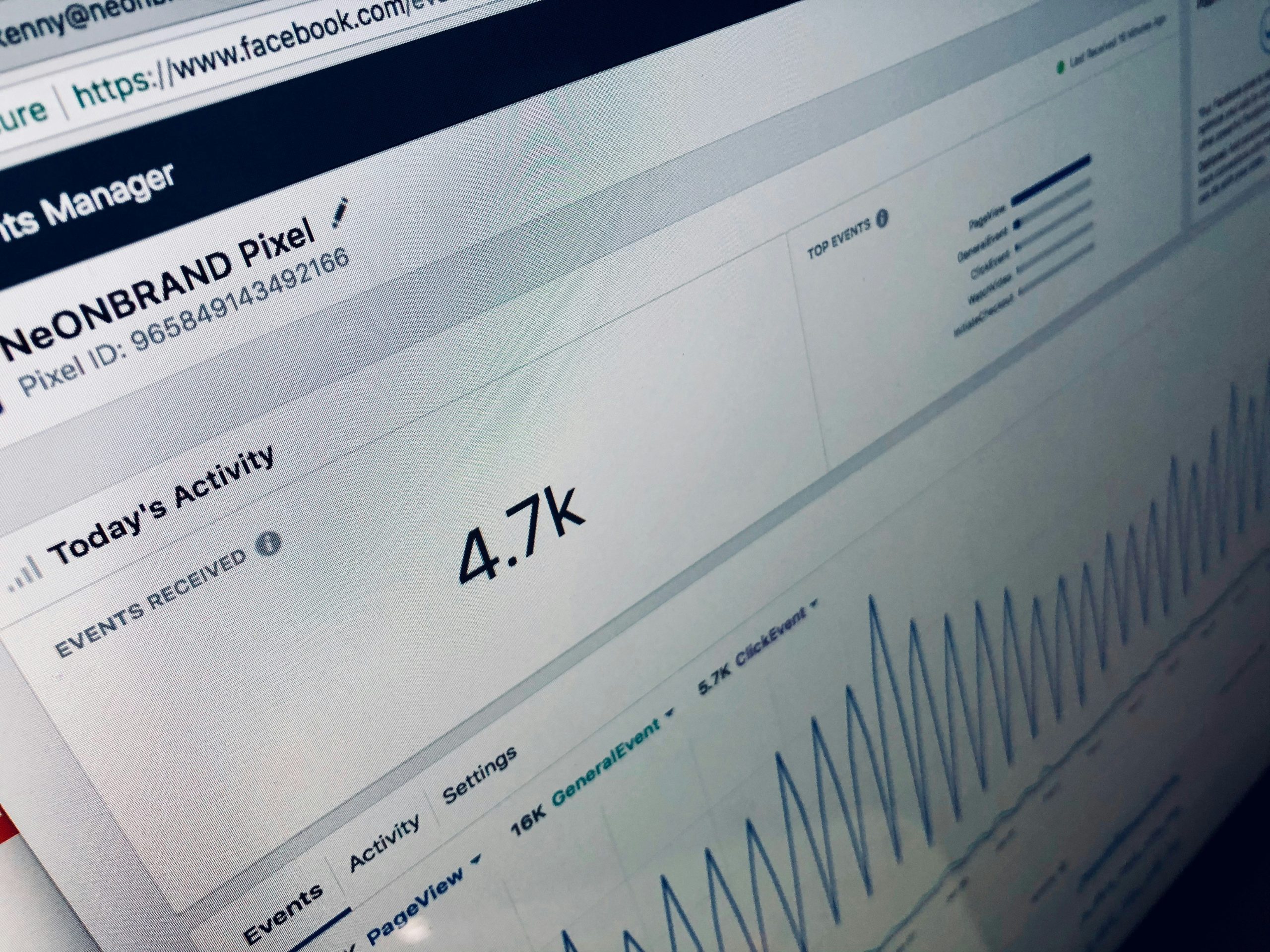
Conversion tracking and optimization: Facebook Pixel tracks user actions on your website (page views, form submissions, purchases) and feeds that data back to Facebook’s algorithm. Over time, the system learns which users convert and optimizes ad delivery toward similar people.
This machine learning optimization is Facebook’s massive advantage. The platform doesn’t just show ads randomly; it actively finds people statistically likely to take your desired action based on patterns from previous converters.
Retargeting advantages: Facebook’s retargeting capabilities dramatically improve advertising ROI by focusing budget on warm audiences already familiar with your business.
Website visitor retargeting: Anyone who visited your website (tracked via Pixel) can be retargeted with ads reminding them to complete their purchase, sign up, or book a consultation. For e-commerce, this captures people who browsed products but didn’t buy. For services, this nurtures people who researched but didn’t commit.
Engagement-based retargeting: Target people who engaged with your Facebook or Instagram content, watched your videos, or messaged your page. These warm audiences convert at much higher rates than cold traffic.
Customer list retargeting: Upload phone numbers or emails of existing customers or leads. Facebook matches them to user accounts, letting you run retention campaigns, upsell offers, or referral requests to people who already know and trust you.
Lookalike audience scaling: Once you have 100+ customers or converters, Facebook can build lookalike audiences of similar people. This scales beyond your warm audiences while maintaining targeting quality significantly better than interest-based cold targeting.
E-commerce integration: Facebook and Instagram Shopping features let users browse products, view prices, and purchase without leaving the platform in some markets. In Kenya, while full in-platform checkout isn’t available everywhere, product catalogs, tags, and shop features still streamline the path from discovery to purchase.
Cost efficiency in Kenya: Facebook ads in Kenya typically cost KES 10 to 50 per click depending on targeting, industry, and competition. Cost per lead ranges from KES 100 to 800 for well-optimized campaigns. Cost per acquisition (customer) varies widely by product price and industry but generally remains profitable for businesses with offers above KES 3,000.
These costs are stable and predictable once campaigns are optimized, making Facebook ads suitable for businesses with defined budgets and ROI requirements.
Platform maturity advantages: Years of development mean Facebook’s ad platform offers sophisticated features most alternatives lack.
Detailed analytics showing exactly which audiences, creatives, and messages drive results. A/B testing tools for controlled experiments comparing variables. Advanced bidding strategies optimizing for specific outcomes. CRM integrations connecting ad leads directly to sales pipelines. Multi-platform reach (Facebook, Instagram, Messenger, Audience Network) from single campaigns.
For businesses prioritizing measurable ROI, conversion tracking, and systematic optimization, Facebook’s mature advertising ecosystem provides tools TikTok simply doesn’t match yet.
How TikTok Ads Perform in Kenya
TikTok’s advertising platform in Kenya is significantly younger than Facebook’s but brings unique strengths that make it powerful for specific use cases.
Discovery-based reach and viral potential: TikTok’s For You Page algorithm is the most democratic content discovery system among major platforms. Unlike Facebook where organic reach heavily depends on existing follower count, TikTok shows content to people who don’t follow you based purely on whether the algorithm thinks they’ll engage.
This applies to ads as well. TikTok ads that feel native and entertaining can achieve massive reach at lower cost than Facebook because the platform rewards engaging content regardless of advertiser size or budget.
A small Kenyan fashion brand with zero followers can run TikTok ads that reach 100,000+ people if the creative resonates. The same business on Facebook would need significantly higher budget or existing audience to achieve similar reach.
Creative-first performance: TikTok’s entire culture revolves around authentic, entertaining video content. Ads that embrace this culture perform exponentially better than traditional “advertising” approaches.
Ads that work on TikTok feel like regular TikTok content: raw, authentic, fast-paced, trend-leveraging, and entertainment-focused first with product secondary. A beauty brand showing a 15-second transformation using their products with trending audio will massively outperform a polished 30-second product showcase with corporate voice-over.
This creative requirement is both advantage and challenge. Businesses comfortable creating engaging video content can achieve incredible results at low cost. Businesses expecting traditional advertising formats to work will waste money.
Younger audience dynamics: TikTok’s Kenyan user base skews heavily toward 16 to 35-year-olds, with particularly strong penetration among Gen Z (18 to 24). If your target customer is under 30 and digitally native, TikTok provides direct access.
This demographic shops differently than older consumers. They discover products through entertainment, trust peer recommendations over brand messaging, and make purchase decisions quickly when content resonates emotionally.
For products targeting this demographic (fashion, beauty, tech accessories, entertainment, food and beverage with youthful branding), TikTok ads can drive awareness and sales that Facebook struggles to match.
Lower competition, lower costs (for now): TikTok’s advertising platform in Kenya is less saturated than Facebook’s. Fewer businesses advertise on TikTok, meaning lower cost per thousand impressions (CPM) and cost per click in many niches.
This creates temporary arbitrage opportunities. Early adopters can acquire customers more cheaply on TikTok than Facebook in specific categories. As more businesses adopt TikTok ads, these cost advantages will diminish, but currently they exist.
Engagement-driven format: TikTok ads come in several formats, but In-Feed Ads (appearing in users’ For You Page like regular content) typically perform best for most businesses.
These ads can be up to 60 seconds but perform best at 15 to 30 seconds. Users can like, comment, share, and click through to landing pages or profiles. The format encourages interaction, making TikTok particularly strong for building brand awareness and community rather than just direct response.
Platform limitations for business: TikTok’s advertising platform lacks several features Facebook offers that matter for sophisticated marketing.
Limited retargeting capabilities: TikTok Pixel exists but is far less sophisticated than Facebook Pixel. Custom audiences and retargeting options are basic compared to Facebook’s comprehensive system.
Weaker conversion tracking: Tracking purchases or leads from TikTok ads to completion is less reliable than Facebook’s conversion tracking. Attribution is harder, making ROI measurement less precise.
Higher minimum budgets: TikTok ad campaigns typically require higher minimum daily budgets (often $20+ USD daily) than Facebook campaigns, making small-budget testing more expensive.
Steeper learning curve for creative: Creating TikTok ads that work requires understanding platform culture, trending audio, editing styles, and native content formats. The creative bar is higher than Facebook’s tolerance for static images and simple videos.
Less mature targeting: Interest and behavior targeting on TikTok isn’t as refined as Facebook’s decade of user data. Reaching precise niche audiences is harder, though the discovery algorithm partially compensates.
Key Differences Between the Two
Understanding these distinctions determines which platform fits your business model and resources.
Cost Structure
Facebook ads: Flexible budgets starting from KES 200 to 300 daily per ad set. Costs predictable and stable once optimized. Cost per result (click, lead, sale) typically higher than TikTok for awareness but lower for conversions due to superior targeting and optimization.
TikTok ads: Higher minimum budgets (typically KES 2,000+ daily for effective campaigns). Lower cost per thousand impressions (CPM) and cost per view. Lower cost per click when creative resonates. But conversion costs can be higher due to less sophisticated optimization and tracking.
Winner for small budgets: Facebook. You can meaningfully test Facebook ads with KES 5,000 to 10,000 total. TikTok requires KES 15,000 to 30,000 minimum for valid testing.
Winner for awareness on tight budgets: TikTok. If your goal is purely reach and impressions, TikTok delivers more eyeballs per shilling spent.
Creative Requirements
Facebook ads: Accepts static images, carousels, videos, and collections. Simple graphics with clear messaging work fine. Professional-looking but not necessarily entertaining. Can succeed with straightforward product showcases, testimonials, or educational content.
Lower creative barrier to entry. A well-designed Canva graphic with clear copy can perform well.
TikTok ads: Requires engaging video content. Static images don’t exist on TikTok. Videos must be entertaining, fast-paced, and native-feeling. Polished corporate videos typically underperform casual, authentic content.
Higher creative barrier to entry. You need video production skills, understanding of TikTok culture, and ability to create content that entertains while selling.
Winner for simple execution: Facebook. You can create effective Facebook ads without video production skills.
Winner for brands with strong video content: TikTok. If you can create entertaining videos, TikTok’s algorithm rewards that content with disproportionate reach.
Learning Curve
Facebook Ads Manager: Steeper initial learning curve due to interface complexity and numerous options. Campaign structure, objectives, targeting, placements, and optimization settings require understanding. However, abundant resources, tutorials, and documentation make learning systematic.
Once mastered, Facebook’s system is highly controllable and predictable.
TikTok Ads Manager: Simpler interface with fewer options makes initial setup easier. The learning curve shifts to creative production rather than platform navigation. Understanding what content works on TikTok requires immersion in the platform’s culture and trends.
Winner for traditional marketers: Facebook. If you understand conventional advertising, Facebook’s system translates more directly.
Winner for content creators: TikTok. If you already create TikTok content organically, advertising on TikTok feels more natural.
Measurement and Attribution
Facebook: Industry-leading conversion tracking through Pixel. Detailed attribution showing customer journey across touchpoints. Comprehensive analytics connecting ad spend to revenue. Easy ROI calculation for most business models.
TikTok: Basic conversion tracking that works but lacks Facebook’s sophistication. Harder to track complete customer journeys. ROI measurement more challenging, especially for longer sales cycles.
Winner for data-driven businesses: Facebook by significant margin. If you need precise ROI measurement and attribution, Facebook is currently the only real choice.
Audience Overlap and Differences
Facebook/Instagram: Broader demographic reach (18 to 55+). Higher purchasing power among users (older demographics with more disposable income). Users comfortable with direct response actions (clicking ads, filling forms, purchasing).
TikTok: Younger demographic concentration (16 to 35). Lower average purchasing power but high engagement. Users prioritize entertainment discovery over shopping intent.
The strategic implication: Facebook captures people actively researching or ready to buy. TikTok captures people in entertainment mode who can be inspired to consider purchase.
For products requiring research before purchase, Facebook’s intent-driven audience converts better. For impulse or emotionally driven purchases, TikTok’s entertainment context can trigger desire effectively.
Which Platform Is Better for Different Goals
Stop asking “which platform is better” universally. Start asking “which platform is better for my specific business type and goals.”
Local Services (Salons, Clinics, Gyms, Restaurants, Professional Services)
Primary platform: Facebook
Local services need geographic targeting precision, lead generation from people ready to book, retargeting to convert researchers into customers, and audiences with purchasing power in target age ranges (25 to 50).
Facebook offers radius targeting around your business location, lead forms for booking consultations or quotes, strong retargeting to nurture leads, and audiences with demonstrated local service purchasing behavior.
TikTok consideration: If you target younger demographics (fitness studios for 18 to 30-year-olds, trendy restaurants, beauty services for Gen Z), TikTok can build brand awareness. But use for top-of-funnel awareness, then convert through Facebook retargeting or organic channels.
Example strategy: Nairobi gym runs Facebook lead ads targeting people within 5km, ages 25 to 45, interested in fitness. KES 40,000 monthly budget generates 60 to 80 qualified leads (people requesting free trial classes). 20% to 30% convert to paying members.
The same gym could run TikTok brand awareness videos showing workout classes and transformations, building local following and reputation, but conversion tracking and direct lead generation would be weaker.
E-commerce Brands (Fashion, Electronics, Home Goods, Beauty Products)
Platform choice depends on product and demographic
For products targeting 25+ with clear purchase intent: Primary platform: Facebook
Facebook’s product catalogs, shopping features, retargeting capabilities, and conversion tracking make it ideal for e-commerce. Dynamic product ads automatically show people items they viewed on your website, dramatically improving conversion rates.
For fashion, beauty, or lifestyle products targeting under 30: Consider both platforms strategically
Use TikTok for product discovery and viral awareness. Create entertaining content showing products in use, styling tips, transformations. Use Facebook/Instagram for retargeting website visitors and converting browsers into buyers.
Example strategy: Kenyan fashion brand runs TikTok ads showing styling videos with new collection. Videos rack up views and drive traffic to website. Facebook Pixel captures website visitors. Facebook retargeting ads show those visitors the exact products they browsed with limited-time discount. TikTok creates demand; Facebook captures sales.
Personal Brands and Thought Leaders (Coaches, Consultants, Educators, Speakers)
Primary platform: Facebook for conversion, TikTok for audience building
Personal brands benefit from both platforms serving different funnel stages.
Facebook strengths for personal brands: Lead generation for consultations, course enrollments, or high-ticket services. Retargeting people who consumed free content. Targeting decision-makers with purchasing power (typically 30+). Detailed tracking of which content leads to bookings or sales.
TikTok strengths for personal brands: Rapid audience building through valuable short-form content. Demonstrating expertise in entertaining, digestible format. Reaching younger audiences entering your field. Building brand recognition before monetization.
Example strategy: Digital marketing coach posts valuable tips on TikTok 3 to 5 times weekly, building audience of 15,000+ followers over 6 months. Runs occasional TikTok ads amplifying best-performing organic content. Directs TikTok audience to lead magnet (free guide, webinar) capturing emails. Runs Facebook conversion campaigns to email list promoting paid course. Uses Facebook retargeting to convert webinar attendees who didn’t buy immediately.
TikTok fills top of funnel with awareness and free value. Facebook converts warm audiences into paying customers.
Content Creators and Influencers
Primary platform: TikTok for growth, Facebook for monetization
Content creators often find TikTok’s algorithm more rewarding for organic growth, but Facebook’s monetization tools more mature.
TikTok advantages: Easier organic reach and follower growth. Better virality potential for entertaining content. Younger, highly engaged audiences. Creator Fund and brand partnership opportunities (though less developed in Kenya than Western markets).
Facebook/Instagram advantages: More mature brand partnership ecosystem. Better tools for promoting digital products or courses to audiences. More sophisticated analytics showing audience demographics and behavior. Instagram’s link-in-bio and Story swipe-up features for driving traffic.
Strategy: Build audience on TikTok leveraging superior discoverability. Cross-promote Instagram for longer-form content and community building. Monetize through Instagram brand partnerships, Facebook community building, and off-platform products (courses, memberships, consulting).
When to Use Both Platforms Together
For many businesses, the answer isn’t “Facebook vs TikTok” but “Facebook and TikTok strategically combined.”
Funnel-based approach using both platforms: Structure your advertising to leverage each platform’s strengths at different funnel stages.
Top of funnel (Awareness) – TikTok: Run entertaining, value-driven TikTok content and ads building brand awareness. Focus on reach, video views, and engagement rather than immediate conversion. Goal: make target audience aware your brand exists and establish relevance or expertise.
Cost: Lower per impression. Metric: Video views, profile visits, followers.
Middle of funnel (Consideration) – Facebook/Instagram: Retarget TikTok engagers (people who watched videos, visited profile, or clicked links) with Facebook ads providing more detail. Show testimonials, case studies, or deeper product information. Capture leads through lead forms or drive to website.
Cost: Moderate per click. Metric: Link clicks, leads captured, website traffic.
Bottom of funnel (Conversion) – Facebook: Retarget website visitors or leads with conversion-focused ads. Show specific offers, limited-time discounts, or strong CTAs. Optimize for purchases or bookings.
Cost: Higher per result but acceptable because audience is warm. Metric: Purchases, bookings, revenue.
Example multi-platform funnel: Online course creator spends KES 15,000 monthly on TikTok ads reaching 300,000+ people with educational content establishing expertise. Those ads generate 2,000 website visitors and 500 TikTok profile follows. Facebook Pixel captures website visitors. Spends KES 25,000 monthly on Facebook ads retargeting those 2,000 website visitors with course benefits and testimonials. Converts 50 to 70 leads (free webinar signups). Spends KES 10,000 on Facebook conversion ads to webinar attendees offering course enrollment. Converts 8 to 12 course sales at KES 15,000 each = KES 120,000 to 180,000 revenue from KES 50,000 total ad spend.
Each platform played to its strengths: TikTok for cheap awareness, Facebook for conversion optimization.
Retargeting strategies connecting platforms: The most sophisticated approach uses data captured on one platform to improve targeting on the other.
TikTok to Facebook flow: People who engage with TikTok content (watch videos, click links) can be retargeted on Facebook using customer list audiences. Export TikTok engagers’ data (when available) or track TikTok traffic to website via Pixel, then retarget on Facebook.
Facebook to TikTok flow: Less common but possible for specific goals. Build awareness on Facebook, identify engaged audiences, create TikTok content specifically addressing objections or questions that audience raised.
Organic-to-paid synergy: Use organic TikTok content to identify winning topics and angles. Your most-viewed organic TikToks reveal what resonates with your audience. Boost those winning angles with TikTok ads for faster reach. Simultaneously, create Facebook ads targeting similar audiences with the insights learned from TikTok performance.
Budget allocation between platforms: If using both, strategic budget splits based on funnel stage and goals.
60% Facebook, 40% TikTok: For businesses prioritizing conversions and ROI where TikTok supplements with awareness.
50% Facebook, 50% TikTok: For e-commerce or brands where both discovery and conversion matter equally.
40% Facebook, 60% TikTok: For content-driven brands or creators where audience building takes priority over immediate monetization.
When both platforms makes sense: You have sufficient total budget (KES 50,000+ monthly to split meaningfully). You can create content suitable for both platforms (video for TikTok, varied formats for Facebook). Your target audience overlaps both platforms. You have conversion tracking set up properly to measure results across platforms.
When to stick to one platform: Your total budget is under KES 30,000 monthly (split too thin for meaningful testing on both). You lack video production capability for TikTok. Your target demographic strongly prefers one platform (B2B services targeting 40+ stay on Facebook; Gen Z products focus on TikTok). You need precise ROI measurement TikTok can’t yet provide.
Mistakes Businesses Make Choosing Platforms
These errors waste money and create frustration regardless of which platform you choose.
Chasing trends instead of strategy: “Everyone’s talking about TikTok ads, so we’re moving our entire budget there” without considering if TikTok’s audience matches yours or if you can create content that works on the platform.
Trends create FOMO (fear of missing out) that drives bad decisions. Yes, TikTok is growing. No, that doesn’t mean it’s right for your specific business right now.
The fix: Evaluate platforms based on: Where does my target customer actually spend time? What format (video vs image, entertainment vs information) matches my strengths? What level of conversion tracking do I need? What’s my budget reality for testing?
Choose strategically based on your situation, not based on what’s trending in marketing Twitter threads.
Ignoring audience behavior and platform culture: Running identical ads on both platforms despite completely different user expectations and behaviors.
Facebook users tolerate direct response ads, clear product showcases, and calls-to-action. TikTok users expect entertainment first, selling second. Running corporate product ads on TikTok fails spectacularly.
The fix: Create platform-specific content respecting each platform’s culture. Facebook ads can be straightforward and conversion-focused. TikTok ads must entertain or provide value before asking for action.
Expecting immediate ROI from brand awareness platforms: Running TikTok ads for one week, measuring cost per purchase, finding it higher than Facebook, then declaring “TikTok doesn’t work.”
TikTok excels at awareness and discovery, not immediate conversion. Expecting bottom-funnel performance from top-funnel platform use is unrealistic.
The fix: Set appropriate expectations and metrics per platform. Measure TikTok success by awareness metrics (reach, video views, profile visits, brand search increases). Measure Facebook success by conversion metrics (leads, sales, ROI). Use TikTok to fill funnel, Facebook to convert funnel.
Inadequate creative investment in TikTok: Repurposing Facebook ads to TikTok without understanding the creative requirements. Static images don’t exist on TikTok. Polished corporate videos underperform authentic, native content.
The fix: If you commit to TikTok ads, commit to creating proper TikTok content. Study what works organically on the platform. Hire creators who understand TikTok culture. Test multiple creative approaches. Don’t half-ass TikTok with leftover Facebook creative.
Spreading budget too thin across platforms: Running KES 10,000 monthly on Facebook and KES 10,000 on TikTok instead of focusing KES 20,000 on one platform for meaningful testing.
Small budgets split between platforms prevent either from generating statistically significant data. You end up with inconclusive results everywhere.
The fix: Master one platform first with concentrated budget. Once profitable there, expand to second platform. Or if using both, ensure each gets minimum viable budget (KES 15,000 to 20,000 monthly minimum per platform for real testing).
Not tracking cross-platform impact: Measuring each platform in isolation without understanding how they work together in your customer journey.
Someone might discover your brand on TikTok, research on Google, then convert through Facebook ad. If you only track “last click attribution,” you miss TikTok’s role in that sale.
The fix: Use UTM parameters tracking traffic sources. Survey customers asking how they discovered you. Implement multi-touch attribution if budget and sophistication allow. Recognize that platforms often work together in customer journeys rather than in isolation.
Abandoning platforms too quickly or persisting too long: Spending KES 5,000 on TikTok ads, seeing poor immediate results, and declaring the platform doesn’t work for your business. Or conversely, spending KES 100,000 over six months on TikTok with consistently terrible ROI but continuing because “we need to crack TikTok.”
The fix: Set clear testing parameters upfront. “We’ll spend KES 30,000 testing TikTok ads over 6 weeks. If we can’t achieve cost per result below KES X by then, we’ll pause and focus on Facebook.” Test thoroughly enough for valid conclusions, but don’t throw good money after bad if data clearly shows a platform doesn’t work for you.
The pattern: most mistakes come from platform decisions driven by hype rather than strategy, ignoring fundamental differences between platforms, or lacking proper testing frameworks and attribution.
Choose Your Platform Strategically
You now understand exactly how Facebook and TikTok ads perform in Kenya’s market, the critical differences in cost structure, creative requirements, and capabilities, which platform works better for specific business types and goals, how to use both platforms together strategically, and the expensive mistakes that waste money regardless of platform choice.
The decision isn’t about which platform is “better.” It’s about which platform aligns with your business model, target audience, content capabilities, and measurement needs.
For most Kenyan businesses, especially those prioritizing measurable ROI, lead generation, or serving audiences 25+, Facebook remains the primary platform. The targeting precision, conversion tracking, retargeting capabilities, and measurement sophistication justify its position as the digital advertising foundation.
TikTok makes strategic sense as supplementary platform for businesses targeting under-30 demographics, products with visual/emotional appeal, brands that can create entertaining video content, or awareness-stage funnel filling before Facebook conversion campaigns.
Very few businesses need to start with TikTok ads. Most should master Facebook advertising first, prove profitability, then potentially expand to TikTok once they have conversion systems working and budget to test additional channels.
Your action plan: If you haven’t run Facebook ads successfully yet, start there. Follow our beginner’s guide to Facebook ads in Kenya to build foundation. Once you’re consistently profitable on Facebook (positive ROI over 3+ months), consider testing TikTok for awareness and discovery. Always measure results honestly and adjust based on data, not trends.
Want comprehensive training covering Facebook ads, TikTok strategies, SEO, content marketing, and the complete digital marketing skill set? Our digital marketing and AI training in Kenya program provides structured education, hands-on practice, and expert guidance that prepare you to make intelligent platform decisions and execute effectively on whatever platforms your business needs.
The opportunity exists on both platforms. Your job is choosing strategically based on your specific situation, testing intelligently, and optimizing relentlessly based on real performance data.
Stop chasing trends. Start making strategic decisions. Your ROI will thank you.
Frequently Asked Questions
Which is cheaper, Facebook ads or TikTok ads in Kenya?
Cost per thousand impressions (CPM) and cost per video view are typically lower on TikTok, making it cheaper for pure awareness and reach. However, cost per conversion (lead or sale) is often lower on Facebook due to superior targeting and optimization capabilities. Facebook’s minimum budget requirements are more flexible (KES 200 to 300 daily per ad set works) while TikTok typically needs KES 2,000+ daily for effective campaigns. For small businesses with limited budgets under KES 20,000 monthly, Facebook offers better entry point. For businesses with KES 50,000+ monthly budgets prioritizing awareness, TikTok can deliver more eyeballs per shilling. The platform that’s “cheaper” depends entirely on your goal: awareness (TikTok usually wins), conversions (Facebook usually wins), or total cost to acquire customer (depends on business type and execution quality).
Can I run the same ads on Facebook and TikTok?
Technically you can upload the same video to both platforms, but you shouldn’t because each platform has different user expectations and creative performance patterns. Facebook users tolerate and often prefer direct, clear advertising with obvious value propositions and calls-to-action. TikTok users expect entertainment-first content that feels native to the platform, using trending audio, authentic presentation, and subtle selling. A polished product showcase video with voice-over might perform well on Facebook but flop on TikTok. Conversely, a casual, trend-leveraging TikTok video might underperform on Facebook’s more intent-driven audience. Best practice: create platform-specific variations of your core message. Same product, same offer, but adapted creative matching each platform’s culture. The effort pays off in dramatically better performance than generic cross-posting.
Should I learn Facebook ads or TikTok ads first as a beginner?
Learn Facebook ads first for several strategic reasons. Facebook’s advertising platform is more mature with better educational resources, documentation, and community support making the learning curve more systematic. Conversion tracking and ROI measurement are significantly better developed, teaching you proper attribution and optimization thinking. The platform works for broader range of business types and demographics, giving your skills wider application. Most importantly, Facebook ads are more directly profitable for most businesses, so you can start generating ROI while learning. Once you’ve mastered Facebook advertising fundamentals (campaign structure, targeting, conversion tracking, optimization), the concepts transfer partially to TikTok. The main new skill for TikTok is creating platform-native video content, not relearning advertising fundamentals. Start where you can get profitable results fastest (usually Facebook), then expand your skill set to additional platforms as budget and goals dictate.