
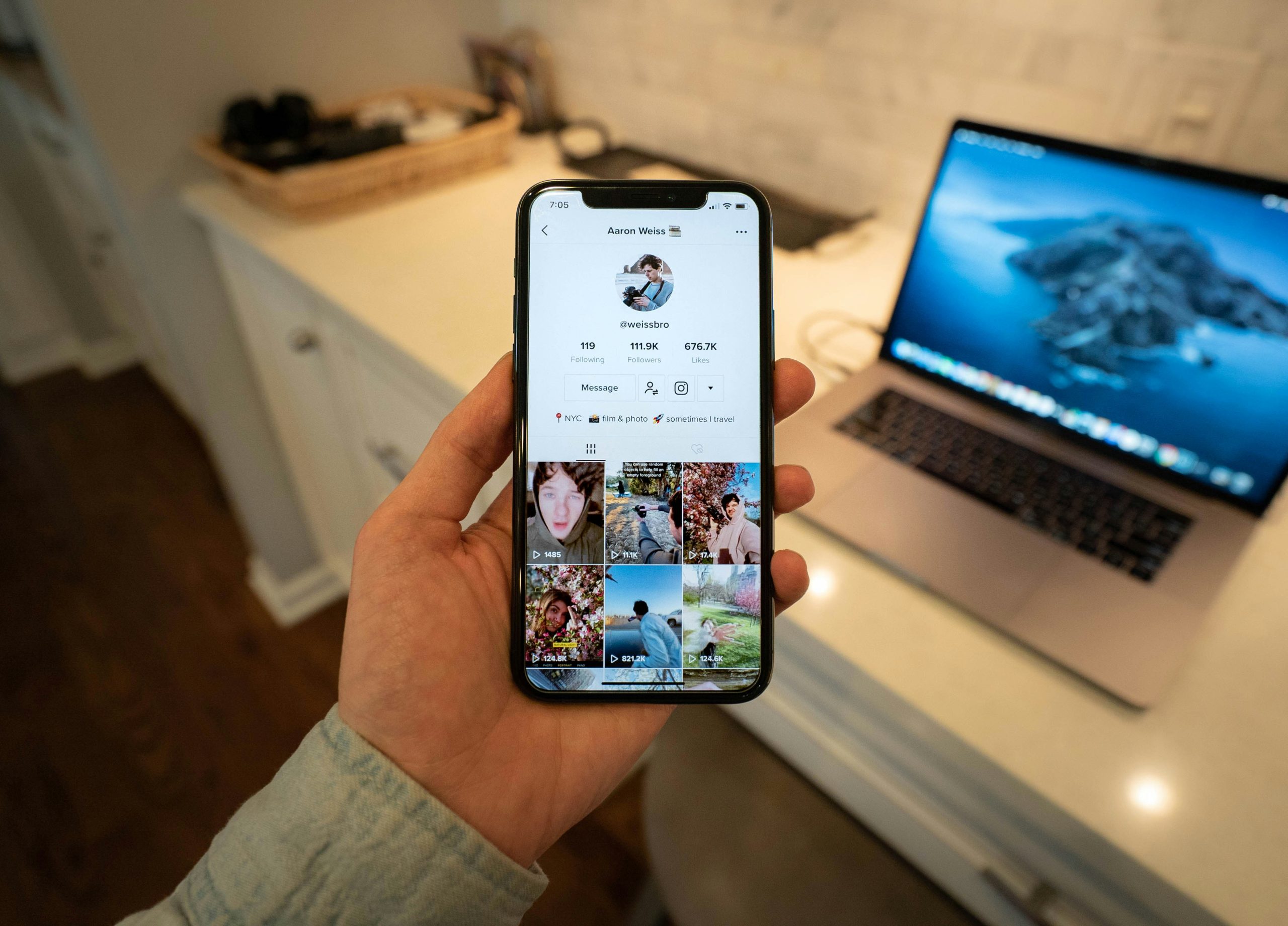
A Nairobi restaurant owner invests KES 30,000 in Facebook ads. The campaign runs for two weeks. Thousands of people see the ads. The restaurant gets three new customers worth KES 4,500 total revenue.
Net result: KES 25,500 lost.
The owner concludes “paid ads don’t work for restaurants” and returns to hoping for walk-in traffic and word-of-mouth referrals.
Meanwhile, their competitor spends the same KES 30,000 on Facebook ads. They generate 87 table reservations, serve 230+ customers, and generate KES 180,000 in revenue.
Same platform. Same budget. Same industry. Completely opposite outcomes.
The difference isn’t luck. It’s not the algorithm favoring one business over another. It’s understanding the fundamentals that separate profitable ad campaigns from money pits.
Running paid ads does not guarantee results. In fact, most small businesses in Kenya lose money on their first attempts with Facebook ads, Google ads, or TikTok ads. They make predictable, expensive mistakes that doom campaigns before they have a chance to work.
This guide identifies exactly why paid advertising fails for most businesses, the seven critical mistakes that waste budgets and kill ROI, and how to fix each mistake with specific, actionable changes that transform ad performance.
Whether you’ve already lost money on failed ad campaigns or you’re considering paid advertising for the first time, understanding these failure points prevents wasting thousands of shillings learning lessons the expensive way.
If you want comprehensive training covering paid advertising, organic marketing, SEO, and the complete digital marketing skill set with proper fundamentals from the start, our digital marketing and AI training in Kenya program provides structured education and hands-on practice that turn beginners into confident professionals who drive measurable results.
No Clear Offer or Goal
The single biggest reason paid ads fail: businesses don’t know what they’re actually selling or what they want the ad to accomplish.
They create ads saying “We offer quality services” or “Check out our products” without clarity on the specific offer, target customer, desired action, or value proposition.
Ads amplify clarity, not confusion: Paid advertising is an amplification tool. It takes your message and shows it to more people faster than organic reach allows. But amplification only helps when your core message is clear and compelling.
If your offer is vague (“digital marketing services”), ads just expose that vagueness to more people. They scroll past confused about what you actually do or why they should care.
If your offer is clear (“SEO content writing: 4 optimized blog posts monthly for KES 24,000, includes keyword research and publishing”), ads communicate that clarity to qualified prospects who can immediately decide if they’re interested.
Clarity drives action. Confusion drives scrolling.
Common offer clarity problems:
Too broad: “We help businesses grow” could mean anything. Marketing services? Business loans? Consulting? Ads can’t convert people when they don’t understand what you’re selling.
No specific outcome: “Social media management” tells people what you do, not what result they get. “Social media management that generates 15+ qualified leads monthly” tells them the outcome they’re buying.
Missing price or commitment level: People don’t know if you’re KES 5,000 or KES 500,000. Without context, most assume you’re too expensive and don’t engage.
Unclear target customer: “For businesses” describes 99% of companies. “For Nairobi-based B2B service companies struggling to generate consistent leads” describes a specific person who can immediately self-identify.
What clear offer looks like: The person viewing your ad should instantly understand who it’s for, what specific thing you’re offering, what outcome or benefit they receive, what it costs or what commitment is required (free consultation, paid service, specific price), and what action to take next (book call, download guide, purchase, inquire).
Example of unclear offer ad: “Looking to grow your business? We offer comprehensive digital marketing solutions. Contact us today!”
Who is this for? What specific service? What will I get? How much does it cost? Why should I contact you versus 50 other agencies?
Example of clear offer ad: “Nairobi restaurants: Struggling with empty tables on weekdays? Our Google and Facebook ads packages fill 20+ reservations weekly. Packages from KES 35,000/month. Free 30-minute strategy call to see if we’re a fit. Click below to book.”
Who it’s for (Nairobi restaurants), specific problem (empty weekday tables), specific outcome (20+ weekly reservations), price context (from KES 35,000 monthly), clear next step (free strategy call), action (click to book).
No clear campaign goal: Beyond offer clarity, you need campaign-level goal clarity. What specifically do you want this ad to accomplish?
Vague goal: “Get more customers.” Measurable goal: “Generate 30 qualified leads at under KES 400 per lead, converting 20% to paying customers.”
Vague goal: “Increase brand awareness.” Measurable goal: “Reach 50,000 people in target demographic with 3+ ad impressions each, driving 500 website visits to learn more.”
Without clear, measurable goals, you can’t determine if ads are working, optimize for improvement, or make intelligent budget decisions.
The fix: Before creating any ad, answer these questions in writing. What exact offer am I promoting? Who specifically is this offer for (be narrow)? What specific outcome will they get? What does it cost or what’s required from them? What’s the one action I want them to take? How will I measure if this campaign succeeds?
Document your answers. Reference them while creating ads. If your ad doesn’t communicate all these elements clearly, revise until it does.
Clarity is free. It’s the foundation everything else builds on. Skip it and even perfect execution fails.
Poor Targeting Choices
You could have the world’s best ad creative with crystal clear offer. Show it to the wrong people and it generates zero results while burning through budget.
Targeting determines who sees your ads. Get it wrong and you’re showing restaurant ads to people in Mombasa when you only serve Nairobi, promoting B2B software to teenagers with no purchasing authority, or advertising luxury products to people with no budget.
Too broad targeting: The most common beginner mistake. Businesses think “anyone could be our customer” so they target everyone in Kenya, all ages, all interests.
A Nairobi salon targets “Women in Kenya, ages 18-65.” That’s 15+ million people. Only a tiny fraction live near the salon. Of those nearby, most already have salon preferences. You’re wasting 99%+ of your impressions on people who’ll never visit.
Why too-broad fails: Your budget gets diluted showing ads to mostly irrelevant people. Facebook’s algorithm takes longer to learn who actually converts because positive signals are buried in noise. Cost per result stays high because most people seeing your ads will never take action.
The fix for local businesses: Target specific radius around your location (5km to 15km depending on service). Layer on demographics matching your actual customers (if 80% of customers are women 25-45, target that). Add interests or behaviors relevant to your service (for a gym: fitness interests, healthy lifestyle behaviors).
The fix for online businesses: Target specific cities or regions you can serve well. Define age ranges based on actual customer data, not assumptions. Use interest targeting reflecting your ideal customer’s actual interests and behaviors, not just your industry category.
Example: Online course teaching social media marketing shouldn’t target “Everyone in Kenya interested in Marketing.” Instead: “Nairobi, Mombasa, Kisumu residents, ages 24-38, interested in Entrepreneurship, Small Business, Freelancing, Digital Marketing, with behavior ‘engaged shoppers’ (willing to buy online).”
Still broad but dramatically more qualified than “everyone.”
Too narrow targeting: Less common but equally damaging. Combining so many demographic and interest filters that your audience shrinks to 2,000 people, most of whom aren’t active Facebook users.
A consultant targeting “Nairobi, ages 35-42, job title CEO, interested in Business Strategy, Leadership, and Management Consulting, behavior High Net Worth Individuals.” Maybe 300 people match all those criteria in Facebook’s Kenya database.
Why too-narrow fails: Insufficient audience size prevents Facebook from finding enough converters to optimize. You exhaust your audience quickly (high ad frequency). Learning phase never completes because there aren’t enough conversion events.
The fix: Start with audience size of 50,000 to 500,000 for most campaigns. Layer 1-3 relevant interests, not 7. Use broad age ranges initially (10-15 year spans), narrowing later based on data. Let Facebook’s optimization find converters within that reasonable range rather than over-constraining manually.
You can always narrow targeting based on performance data. Starting too narrow gives you no data to work with.
Wrong assumptions about your audience: Businesses guess who their customers are instead of using actual data. They target who they think should buy versus who actually buys.
A fitness supplement company assumes their customers are “people interested in bodybuilding and weightlifting.” They run ads targeting those interests and see poor performance. Analysis of actual customers reveals 60% are interested in “healthy lifestyle,” “yoga,” and “nutrition,” not hardcore bodybuilding.
The fix: Analyze your actual customer base before choosing targeting. Survey existing customers: What are their demographics? What else are they interested in? What other brands or pages do they follow? What problems were they trying to solve when they found you?
Use Facebook Audience Insights (if available) or your own customer data to understand who actually buys from you. Target based on evidence, not assumptions.
Test multiple audience variations to see which responds best. Don’t assume you know. Let data tell you.
Ignoring custom audiences and retargeting: The warmest, highest-converting audiences are people who already interacted with your business. Yet many businesses focus all budget on cold traffic (strangers who never heard of you) while ignoring warm audiences.
Website visitors are 5-10x more likely to convert than cold traffic. They already showed interest by visiting. People who engaged with your content, watched your videos, or messaged your page are also warm and more likely to convert.
The fix: Always create campaigns targeting warm audiences first before expanding to cold traffic. Website visitors who didn’t convert, people who engaged with organic or paid content, customer lists (for retention or upsell campaigns), app users or lead form submitters who didn’t complete purchase.
These audiences are smaller but convert at much higher rates and lower costs. Exhaust their potential before investing heavily in cold traffic acquisition.
Weak Ad Creative
Targeting gets your ad in front of the right people. Creative determines whether they stop scrolling and take action.
Most small business ads look generic, boring, or confusing. They blend into the feed and get ignored.
Generic visuals that don’t stop attention: Stock photos everyone’s seen before. Low-quality product photos on white backgrounds. Text-only graphics with no visual interest. Cluttered designs trying to say everything at once.
People scroll Facebook and Instagram fast. Your ad has 1-2 seconds to capture attention. Generic visuals get skipped immediately.
What works for visual attention: Real photos of real people (faces with emotion grab attention). Bright, high-contrast colors that pop against the feed. Pattern interruption (something unexpected or unusual). Clear, simple composition (one focal point, not visual chaos). Movement (video or GIF format outperforms static images).
Test: Scroll your own Facebook feed. Which ads make you pause even briefly? Study what they’re doing visually. Probably not generic stock photos or text-only graphics.
Unclear or weak messaging: The ad’s copy fails to communicate value clearly. It talks about features instead of benefits, uses jargon customers don’t understand, buries the main point in too many words, or lacks any compelling reason to care.
Feature vs benefit mistake: “Our SEO service includes keyword research, on-page optimization, technical audits, and monthly reporting” describes what you do (features). “Get your website to Google’s first page in 90 days and double your organic traffic” describes what the customer gets (benefit).
People buy outcomes, not features. Lead with benefits, support with features.
Jargon problem: Industry terminology that makes perfect sense to you confuses your customers. “Comprehensive digital transformation leveraging cutting-edge MarTech stacks” might impress other marketers but means nothing to the small business owner you’re trying to reach.
Write like you’re explaining to a friend, not like you’re writing a corporate proposal.
Too many words: Ads aren’t blog posts. People won’t read paragraphs. Your primary text should hook attention in first sentence, explain the core value in 2-3 sentences maximum, include clear call-to-action.
Headline should be 5-7 words reinforcing main benefit or creating urgency.
If you can’t explain your value in under 100 words, you don’t understand it clearly enough yourself.
No clear call-to-action: The ad shows product or talks about service but never tells people what to do next. Should they click? Message you? Call? Visit your location? Buy now?
Lack of clear CTA creates decision paralysis. People might be interested but don’t know what action to take, so they take none.
The fix for weak creative:
Visual: Use real photos of your product, service, or team in action. Test bright, high-contrast designs. Keep composition simple with one clear focal point. Try video if possible (even simple phone videos outperform static images for many businesses).
Copy: Start with hook addressing customer’s problem or desire. Explain your solution and benefit in 2-3 sentences. Add proof element (testimonial quote, stat, result). End with clear call-to-action telling them exactly what to do.
CTA: Match CTA button to your goal (Learn More, Shop Now, Sign Up, Send Message, Book Now). Repeat the CTA in your copy: “Click below to book your free consultation.”
A/B test everything: Create 3-5 different ad variations testing different hooks, images, benefit angles, and CTAs. Run them simultaneously to see which resonates best. Kill losers, scale winners, create new variations.
Never assume your first ad will be the best performer. Plan to test and improve continuously.
No Landing Page or Funnel
Your ad successfully captures attention. Your targeting reached the right people. They click through, excited to learn more or purchase.
Then you send them to your homepage with no clear next step, a Facebook page with generic info, or nowhere at all expecting them to just “figure it out.”
They close the tab and forget you exist. You just paid for a click that went nowhere.
Sending traffic nowhere useful: Common destinations that kill conversion:
Generic homepage: 10+ navigation options, information about everything you do, no clear path to the specific thing the ad promoted. Visitor gets overwhelmed and leaves.
Facebook page: They clicked an ad and ended up back on Facebook looking at your page. No clear way to buy, book, or take next step. They scroll your posts for 10 seconds and leave.
Instagram bio link: The link goes to Linktree or similar with 8 different options. They wanted the specific thing from your ad. Now they have to hunt for it among unrelated links.
Product that’s out of stock or discontinued: Ad promotes something you can’t actually deliver. Immediate trust damage and 100% bounce rate.
Every ad should direct to a specific destination designed for that ad’s goal. Not a general destination hoping they’ll find what they need.
What proper landing pages do: A dedicated landing page matching your ad’s message removes distractions, focuses on one clear action, provides just enough information to convert (not too little, not overwhelming), includes trust signals (testimonials, guarantees, social proof), and makes taking action simple and obvious.
For lead generation: Landing page should have clear headline matching ad promise, 3-5 bullet points of key benefits, trust element (testimonial, client logos, credentials), simple form capturing necessary information only (name, phone, email), and clear form submission button.
For e-commerce: Product page should have high-quality product images, clear pricing, benefit-focused description, social proof (reviews, ratings), simple add-to-cart and checkout process.
For service bookings: Booking page should have service details and duration, pricing transparency, available times visible, simple booking form or calendar integration.
The page exists for one purpose: converting ad clickers into leads or customers. Everything else is removed to prevent distraction.
WhatsApp strategy done wrong: Many Kenyan businesses use WhatsApp for customer communication. That’s smart. What’s not smart: ads that say “Contact us on WhatsApp” with no context, qualification, or information.
Person clicks ad interested in your service. Ad directs to WhatsApp. Now they have to type out their entire question manually. Many won’t bother. You paid for a click that led to a blank WhatsApp chat with no conversion.
WhatsApp strategy done right: Ad directs to simple landing page with key information (what you offer, pricing, process, benefits). Landing page includes WhatsApp button with pre-filled message: “Click to message us: ‘I’m interested in [specific service from ad]’.”
Person clicks WhatsApp button, message auto-populates with context. They just hit send. You receive qualified inquiry with context about which service they’re interested in. Much higher conversion rate.
Or use Facebook’s “Send Message” CTA button that opens Messenger or WhatsApp directly from the ad, but include enough info in the ad itself that person knows what they’re messaging about.
No follow-up system: Even with good landing page, most conversions don’t happen immediately. Someone submits a lead form or messages you. Then what?
If you don’t respond within 2-4 hours, conversion rate drops dramatically. If you respond slowly or with generic message, you lose to competitors who respond faster and more personally.
The fix:
Create dedicated landing pages for each major ad campaign matching the ad’s promise exactly. Use simple landing page builders (Carrd, Leadpages, WordPress with landing page plugin) if you don’t have technical skills.
For WhatsApp strategy, provide context before WhatsApp interaction, use pre-filled message links reducing friction, or use landing page that qualifies interest before WhatsApp.
Set up response systems: Get notifications immediately when leads come in. Have templates ready for common inquiries. Respond within 1-2 hours maximum during business hours. Track leads in simple spreadsheet or CRM.
Your ad’s job is getting attention and clicks. Your landing page and follow-up system’s job is converting those clicks to customers. Both must work together.
No Testing or Optimization
Most small businesses create one ad, run it for the campaign duration, then judge success or failure based on that single attempt.
This is like a chef creating one recipe, never tasting or adjusting it, and declaring themselves either a great cook or terrible cook based on whether customers like that exact dish with no variations.
Set-and-forget mindset kills performance: Digital advertising is iterative. Your first ad will almost never be your best performer. You find winners through systematic testing of multiple variations.
The businesses succeeding with paid ads test constantly: different audiences, creative variations, copy angles, offers, CTAs, landing pages, and bidding strategies.
They measure what works, eliminate what doesn’t, and continuously improve based on data.
What to test systematically:
Audiences: Create 3-5 different targeting approaches. Same ad creative, different audiences. Which audience delivers lowest cost per result? Focus budget there, test more variations of that audience type.
Creatives: Test different images, videos, graphic styles with same audience and copy. Which visual stops the scroll most effectively? Create variations of winners, eliminate losers.
Messaging angles: Test different benefit angles or pain points. Same product, different way of explaining value. “Save 3 hours daily with automation” vs “Generate 2x more leads with same budget” might appeal to different segments.
Offers: Test different offer structures. Free consultation vs free audit vs paid intro offer at discount. Price points. Urgency elements (limited time vs limited availability vs evergreen).
Landing pages: Test different headlines, form lengths, trust elements, page layouts. A/B test specific elements to understand what improves conversion rate.
Common testing mistakes:
Changing too many variables simultaneously: Test ad changes targeting, creative, copy, and offer all at once. Can’t determine which change improved or hurt performance.
Fix: Change one variable at a time. Hold others constant. This isolates what actually made the difference.
Not running tests long enough: Run test for 24 hours or spend KES 2,000 total, declare winner based on insufficient data.
Fix: Test until statistical significance (typically 7 days minimum, 500+ impressions per variation, 50+ conversions if optimizing for conversions).
Ignoring data: Keep running ads that clearly underperform because “we already created them” or stop running ads that work because they “feel old” despite strong performance.
Fix: Make decisions based on performance metrics (cost per result, conversion rate, ROI), not gut feelings or sunk cost fallacy.
Why optimization matters: Week 1 of campaign: KES 800 cost per lead. Week 2 after eliminating worst performing audience: KES 600 cost per lead. Week 3 after testing new creative: KES 450 cost per lead. Week 4 after landing page optimization: KES 350 cost per lead.
Same budget, over 50% improvement in performance through systematic optimization. Business that accepted KES 800 cost per lead from week 1 as “how Facebook ads perform” left massive money on the table.
The fix: Build optimization into your process from day one.
Weekly review: Which ads, audiences, or placements perform best? Which underperform? Kill or pause poor performers. Increase budget on strong performers.
Create new test variations regularly (every 2 weeks minimum). Never assume current ads can’t be improved.
Track performance over time in simple spreadsheet: date, budget, impressions, clicks, cost per click, leads, cost per lead, sales, cost per sale. Identify trends. Understand what’s improving or degrading.
Most improvement comes from accumulated small optimizations, not one magic change. Commit to the process.
Expecting Instant Results
Business owner launches Facebook ads on Monday targeting leads for their consulting service. By Wednesday, they’ve spent KES 5,000, received 3 leads, and none have converted to paying clients yet.
They panic. Turn off ads. Conclude “Facebook ads don’t work for consulting.”
They never gave the system time to work.
Learning phase realities: Facebook’s ad algorithm goes through a learning phase when campaigns launch. During this phase (typically 24-72 hours, sometimes up to 7 days), the algorithm:
Tests your ads with different audience segments to identify who responds. Gathers data on which users take your desired action. Optimizes delivery toward likely converters based on patterns it discovers.
Performance during learning phase is often inconsistent and suboptimal. This is normal. The algorithm is learning, not broken.
Typical learning phase pattern: Day 1: High cost per result, inconsistent delivery. Days 2-3: Still learning, performance varies. Days 4-7: Algorithm stabilizes, cost per result typically improves. Week 2+: Optimized delivery if you’ve reached 50+ conversion events.
Why businesses need patience: Digital advertising isn’t a vending machine where you insert money and customers immediately pop out. It’s a system that requires optimization time.
Even perfect ads need time for Facebook to find your audience, discover which creative resonates best, and optimize delivery toward converters.
Realistic timeline expectations:
Week 1: Testing phase. Expect higher costs and inconsistent results. Goal: Gather data, identify which ads/audiences show promise.
Week 2-3: Optimization phase. Kill poor performers, scale winners, test variations. Performance should improve from week 1 baseline.
Week 4+: If you’ve found winning combinations, performance stabilizes and potentially improves further with continued optimization.
First profitable campaign typically takes 3-6 weeks from launch to consistent positive ROI, assuming competent execution.
The compounding advantage: Businesses that persist through initial learning phase and optimize systematically build advantages over time:
Data accumulation: More conversion data makes Facebook’s optimization more accurate. Your 100th conversion optimizes better than your 10th.
Audience insights: You learn which audiences respond, which don’t, what messaging resonates.
Creative refinement: You discover which hooks, visuals, and angles work for your specific audience.
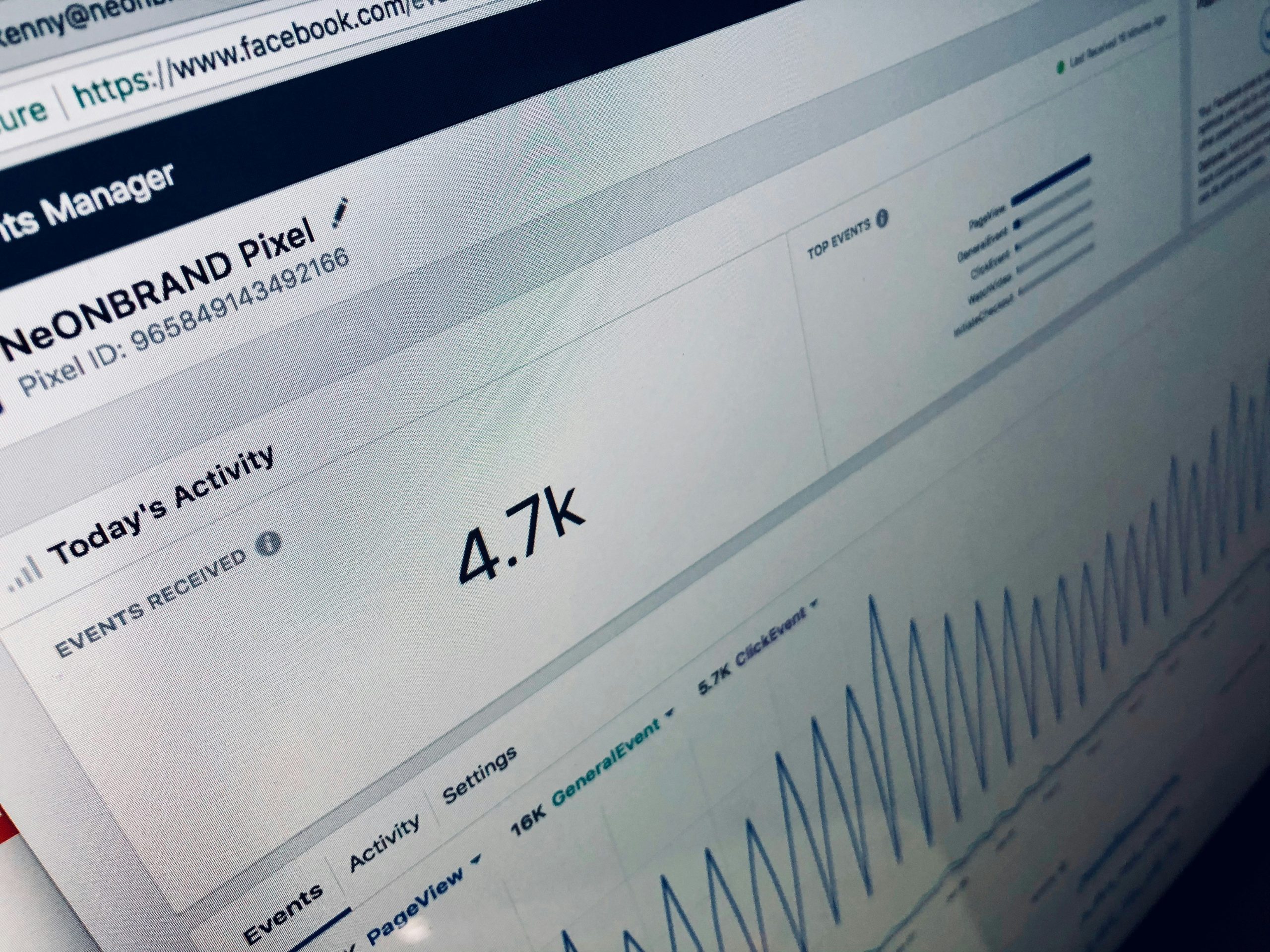
Pixel maturity: Your Facebook Pixel accumulates more conversion data, improving retargeting and lookalike audience quality.
Month 3 campaign performance often significantly exceeds month 1 performance with same budget because you’ve built knowledge and optimization on top of early learning.
Business that quits after week 2 never reaches this compounding phase.
When legitimate immediate failure signals exist: Patience doesn’t mean ignore obvious problems. Some signals indicate fundamental issues needing immediate fixing:
Zero engagement (no clicks, no reactions) after 500+ impressions suggests targeting or creative is completely wrong. High cost per click (2-3x industry averages) with zero conversions suggests landing page or offer problems, not just algorithm learning. Ads rejected or account restricted suggests policy violations needing resolution before continuing.
These require intervention. But normal learning phase volatility doesn’t.
The fix: Set realistic expectations before launching campaigns. Budget for 4-6 week testing period, not immediate profit. Plan to spend minimum KES 15,000-30,000 total on initial testing to gather meaningful data. Commit to letting campaigns run at least 7 days before making performance judgments. Focus first month on learning (which audiences work, which creative resonates, what cost per result is achievable), not immediate positive ROI.
Month 2+ shift focus to scaling what works and improving efficiency toward profitable ROI.
Patience combined with active optimization beats both “set and forget” and “panic and quit after 3 days.”
How Businesses Can Fix This
Understanding what’s broken matters only if you actually fix it. Here’s your roadmap from failing with paid ads to driving consistent, profitable results.
Skill development over guessing: Most paid ad failures come from knowledge gaps, not bad luck. You don’t know how to write compelling ad copy, choose effective targeting, structure proper campaigns, interpret analytics, or optimize based on data.
Guessing your way through expensive learning is costly. A KES 30,000 failed campaign “teaches” you one thing that didn’t work. Proper training teaches you frameworks preventing most failures before they happen.
Investment in structured learning: Take courses or programs teaching paid advertising fundamentals properly. Our digital marketing and AI training in Kenya covers Facebook ads, content marketing, SEO, and complete digital marketing skill set with hands-on practice.
Study successful ad examples in your industry. What do winning ads have in common? Messaging? Visuals? Offers? Learn from proven patterns instead of reinventing the wheel.
Read platform documentation. Facebook’s Blueprint courses, TikTok’s business learning center. Free resources from the platforms themselves often outperform random YouTube videos.
Start with proven frameworks: Don’t create ads randomly. Use tested structures:
For ad copy: Problem + Solution + Proof + CTA formula. Hook (capture attention addressing pain/desire) + Value (what you offer and benefit) + Proof (why they should believe you) + Action (what to do next).
For targeting: Start with website visitor retargeting if you have traffic. Test 3-5 saved audiences (interest-based). Create lookalike audiences once you have 100+ customers or converters. Scale what performs, cut what doesn’t.
For testing: Test one variable at a time. Run tests 7+ days minimum. Reach statistical significance before deciding. Document everything.
These frameworks prevent common mistakes and provide starting point for optimization.
Data-driven decisions over gut feeling: Your opinion about what “should” work doesn’t matter. What actually works based on performance data matters entirely.
Track religiously: Cost per click, click-through rate, cost per lead or sale, conversion rate at each funnel stage, and return on ad spend (revenue generated / ad spend).
Review weekly. Make optimization decisions based on metrics, not feelings.
Ad you personally don’t like generating KES 300 cost per lead beats ad you love generating KES 800 cost per lead. Run the KES 300 ad regardless of personal preference.
Commit to testing budget: Accept that first KES 15,000-30,000 is learning investment, not profit generation. This budget buys data showing what works for your specific business.
Once you identify profitable approach, scale gradually while maintaining or improving efficiency.
Businesses trying to run profitable campaigns on KES 5,000 total budget set themselves up for failure. Insufficient testing produces inconclusive results.
Consider hiring experts for complex campaigns: DIY makes sense for simple campaigns with clear goals. For complex products, longer sales cycles, or significant budgets (KES 100,000+ monthly), hiring experienced ad managers often pays for itself through better performance.
Look for proven track record (case studies, testimonials, results for similar businesses), transparent reporting (they show you exactly what’s working and what isn’t), and strategic thinking (they explain why they’re making specific choices, not just executing tasks).
Pay for expertise when the cost is justified by improved results. But understand fundamentals yourself even if you delegate execution.
Build complete funnels, not just ads: Your ad is one piece of conversion system. Proper funnel includes attention-grabbing ad, clear targeted landing page, response system for leads, follow-up sequence for unconverted leads, and delivery system for customers.
Fix the weakest link. Amazing ads can’t overcome terrible landing pages. Perfect landing page can’t overcome no follow-up system.
Realistic timeline and expectations: Give campaigns time to optimize. Commit to 4-6 week testing periods. Judge success on trends, not single day performance. Accept that 60-70% of tests will underperform or fail. The 30-40% that succeed fund everything and drive growth.
Patience combined with active optimization beats both “set and forget” and “panic after 2 days.”
Stop Wasting Money, Start Driving Results
You now understand exactly why most small businesses fail with paid advertising: unclear offers and goals, poor targeting choices, weak ad creative, no proper landing pages or funnels, lack of testing and optimization, and unrealistic expectations about immediate results.
More importantly, you understand how to fix each failure point with specific strategic changes that transform ad performance from money pit to profit center.
Paid advertising works when executed properly. The proof exists in thousands of Kenyan businesses generating consistent leads and sales through Facebook ads, Google ads, and other platforms.
The difference between businesses succeeding and businesses failing isn’t budget size, industry, or luck. It’s understanding fundamentals and executing systematically.
Your choice is clear: continue making expensive mistakes learning through trial-and-error, or invest in proper education that prevents most failures before they waste your budget.
Start by fixing the biggest gap in your current approach. No clear offer? Define it before running another ad. Poor targeting? Study your actual customers and target based on evidence. Weak creative? Test 5 variations systematically. No landing page? Build one this week.
Small fixes compound into dramatically better results.
Ready to master paid advertising along with the complete digital marketing skill set including SEO, content strategy, social media management, and AI-powered workflows? Our digital marketing and AI training in Kenya program provides structured curriculum, hands-on practice, and expert guidance that turn beginners into confident professionals who drive measurable business results.
The businesses winning with paid ads in Kenya aren’t special. They just understand what you now understand and execute on it consistently.
Stop wasting money. Start driving results.
Frequently Asked Questions
How much money should I budget for testing paid ads before expecting profit?
Plan to invest KES 15,000 to 30,000 minimum on initial testing before expecting positive ROI. This budget spread over 3 to 4 weeks lets you test multiple audiences (3 to 5 variations), creative options (3 to 5 different ads), and gather sufficient data to identify what works for your specific business. Businesses trying to run profitable campaigns on KES 5,000 total budget almost always fail because they can’t gather statistically significant data across variables. The testing budget buys knowledge: which audiences respond, which creative resonates, what cost per result is achievable, and what conversion rate to expect. Once you identify profitable combinations through testing, you can scale with confidence knowing expected return on investment. Most businesses reach profitable campaigns by month 2 to 3 if they commit to proper testing in month 1.
Should I fix my organic marketing before trying paid ads?
Yes, in most cases. Paid ads amplify what already exists. If your offer is unclear, your landing pages convert poorly, or your follow-up system is broken, ads will expose those problems at scale while wasting money. Fix fundamentals first: clarify your offer and value proposition, build or optimize landing pages, establish response and follow-up systems, and create basic conversion tracking. Then use paid ads to scale what’s working organically. The exception: if you have zero organic reach and need to test market demand quickly, small paid campaigns can validate interest before building complete organic presence. But even then, have the conversion infrastructure ready before spending significantly on ads.
How do I know if my ads are failing because of my execution or because paid ads just don’t work for my business type?
Paid ads work for almost every business type when executed properly, but execution quality varies dramatically. Your ads are failing due to execution issues (fixable) if you’re targeting broad audiences without testing variations, using generic creative and weak copy, sending traffic to homepage or vague destinations, not tracking conversions properly, or making decisions without sufficient data (fewer than 500 impressions or 50 conversions). Fix these fundamentals before concluding ads don’t work. Ads genuinely might not work for your business (rare) if your product has no clear target market or value proposition, your prices are completely uncompetitive with alternatives, or your product/service has fundamental quality or delivery issues that cause refunds and complaints. But 95%+ of “paid ads don’t work for my business” cases are actually “I’m executing paid ads poorly.” Master fundamentals, test properly, then make the determination.